Erganeo is at your disposal.
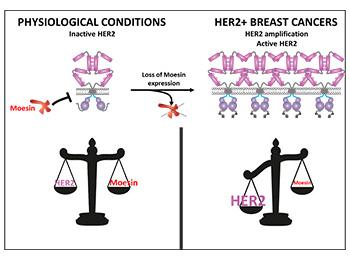
About 25% of primary human breast cancers are due to the deregulated expression of ErbB2/HER2. HER2- targeted therapies have improved patient survival, but both de novo and acquired resistance remain a challenge, as only 25% of treated patients respond to the current therapies. The inventors have identified that Moesin, a member of the ERM (Ezrin, Radixin and Moesin) protein family, is an allosteric inhibitor of HER2 activity. Moesin expression level is inversely correlated with HER2 expression level in human breast cancers. Besides, a low Moesin expression level is associated with a bad prognosis of HER2+ breast cancer patients. This allows further stratification of HER2+ breast cancer patients thereby offering novel personalized treatment options based on the administration of Moesin mimicking compounds (e.g. Zuclopenthixol derivatives) for HER2 inhibition.
ERBB2 - HER2+ breast cancers - Diagnostic/prognostic biomarkers - Moesin - Equivocal HER2 status
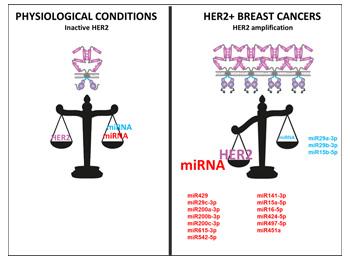
About 25% of primary human breast cancers are due to the deregulated expression of ErbB2/HER2. HER2-targeted therapies have improved patient survival, but both de novo and acquired resistance remain a challenge, as only 25% of treated patients respond to the current therapies. Equivocal HER2 status also remains an issue as it affects subsequent clinical management. Following the analysis of the expression level of more than 800 miRNA in several human breast cancer cells and patient biopsies with various HER2+ status, the team has identified novel miRNA biomarkers for the diagnosis and prognosis of HER2+ cancers. This allows for further stratification of patients and offers new therapeutic strategies based on the modulation of miR-200b, -429 or -29c-3p. The team has the expertise and know-how required to measure miRNA and HER2 expression levels in biological samples as well as to assess HER2 activation status, downstream signaling and functional effects on cell proliferation and survival in breast cancer.
WO2019081610A1; EP, US & JP
ERBB2 - HER2+ breast cancers - Patients stratification - MiRNA Diagnostic/prognostic - Biomarkers Equivocal HER2 status
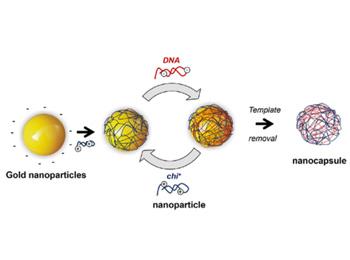
Idiopathic Nephrotic Syndrome (INS) accounts for 85% of glomerular nephropathies in children and 25-30% of those in adults. Pathogenesis of this syndrome is based on an immune disorder whose mechanism remains incompletely understood. The team has identified a promising protein target to develop gene therapy for INS. However, no simple technique compatible with a gene therapy treatment has shown efficiency to target the podocyte so far. Vectors classically used in gene therapy (adenovirus, retrovirus, etc.) do not allow for proper targeting of the podocyte due to the presence of a glomerular barrier. Thus, the inventors have developed nanocapsules consisting of multilayers of chitosan/DNA assembly as a vector carrier allowing specific expression of miRNA in podocytes. This therapeutic approach has been validated in vitro and optimized for in vivo use, making it possible to envisage new therapeutic perspectives for INS in humans. This new innovative expression nanocapsule can be optimized for other therapeutic uses.
WO2018141865A1
Nanoparticules - DNA delivery - Non-viral carrier - Nephrotic syndrome - miRNA

The AI-based solution produces a simultaneous clustering (co-clustering) of users and products, based on the key emerging topics from the reviews and by the underlying model. The typical use case consists in an e-commerce company interested in understanding the relationship between its users and the sold products thanks to the analysis of user comments. While existing solutions focus on analyzing the fact that users have bought specific products and conversely, other solutions can analyze huge amount of text data to extract useful information, TOPIX is a unique technology that can do both by simultaneously analyzing the links between users and products and the associated texts such as reviews, comments or opinions.
Filling of the software
Artificial Intelligence - Co-clustering - Latent Topic Block Model (LTBM) - Variational inference algorithm - Textual data analysis - E-commerce
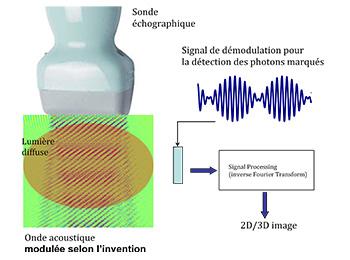
Medical imaging is in constant search for innovation to improve the quality of images and therefore the reliability of medical diagnoses. Acoustic imaging offers greater resolution and improved contrast. Limits are still slowing down the development of this technology, particularly the intensity of ultrasonic waves or the limits of the observable area.
The proposed technology makes it possible to respond to these problems by implementing a new method of plane wave imaging. The idea is to modulate the carrier wave, namely the aforementioned plane wave, by a periodic signal.
Coupling with other medical imaging methods such as:
Extension number PCT : WO2020011944
Acousto-Optical Imaging - Plane wave - Fourier imaging - Synchronous detection - Modulation

Several causes lead to Chronic kidney diseases (CKD) increased incidence. CKD generate renal fibrosis, responsible for chronic kidney failure, a major public health issue. There are limitations to renal function evaluation and fibrosis treatment : lack of precise and non invasive tools to evaluate renal function and antifibrotic drugs efficacy. Our solution is to use MRI imaging agent as marker of renal function. It could be used both as an imaging marker to assist in the diagnosis and monitoring of chronic renal pathologies related to fibrosis, and as a preclinical and clinical research tool for the development of an antifibrotic agent, as an alternative to the monitoring of biomarkers requiring cumbersome biopsies.
Imaging agent - Renal fibrosis Renal function evaluation - Drug efficacy testing
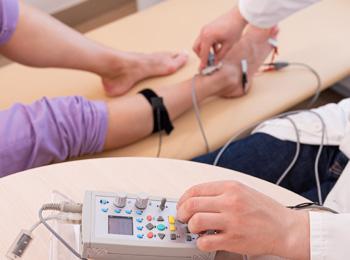
1.5M patients / year (EU) suffer spastic paresis, particularly stroke-related ‘Foot Drop’ syndrome, i.e. insufficient active dorsiflexion that causes abnormal gait pattern and increases the risk of falls. Treatments are often unsatisfactory: surgery, rehabilitation, passive orthoses (ankle foot orthosis). Conventional functional electrical stimulation (FES) systems only provide ON and OFF stimulation, without ability to individualize the stimulation pattern or amplitude based on the subject kinematics. In this proposal, Adaptive Functional Electrical Stimulation (AFES) detects onset and end of swing phase without using a foot switch, to stimulate tibialis anterior and evertor muscles by adapting the stimulation intensity (compared to conventional FES) to the level of knee flexion, to help activate dorsiflexors and ensure smooth ground clearance during the swing phase of gait. The algorithm should help hemiparetic patients walk more comfortably and naturally by delivering stimulation as needed during the swing phase.
Stroke - Foot Drop - Functional Electrical Stimulation Adaptative stimulation pattern - Knee joint angle Stance and swing phase detection

Wind turbines are used more and more to participate in the energy transition of countries. However, their operating range is limited depending on windy conditions, which could jeopardize the viability of certain projects.
The technology developed makes it possible to respond to this problem. The researchers have developed a process that allows, depending on the wind turbine installation conditions, to select the most suitable material. The latter will deform according to the chord under the force of the wind and the centrifugal force to optimize the efficiency and the operating range of the wind turbine, while ensuring its proper functioning in the face of strong winds.
Patent Ref : WO 2018/149895
Blades - Wind - Hydrokinetic - Power windmill - Flexible - Conversion rate
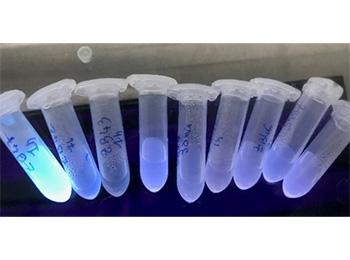
The synthesis of Quantum dots currently suffers from many problems of flow rates, variability and dangerousness of the production which leads to high manufacturing costs.
The process developed proposes to refrain from these constraints thanks to an innovative manufacturing protocol, without cadmium in water. This protocol allows an automatic production of these compounds using an algorithm creating a feedback loop. Finally, the technology makes it possible to map Quantum dots to obtain different optical properties.
Number PCT : PCT/EP2019/055803
Quantum Dots - Cadmimum free - In-line monitoring of reactions - Automated nanocrystal (QD) synthesis - Continuous-flow synthesis
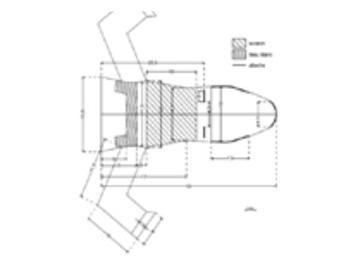
There are about 1M premature newborns / year (EU + US). 40% of babies born before 32 weeks will develop a more or less severe motor dysfunction. Stimulating the active motricity of these children as early as possible and on a regular basis, when their sensory-motor system is at its maximum plasticity, is a key factor in the prevention of future deficits in their posture and mobility. The Crawliskate is an innovative medical device especially adapted to such stimulation, designed for babies from one day to 5 months of age, which allows them to actively exercise posture, motor skills and propulsion on a daily basis. Comfortably and securely wrapped prone on top of the device, the infant can not only move its arms, head, trunk, and limbs, but also propel itself in any direction thanks to small ball-bearing-style wheels secured to the underside of the skateboard deck.
Infant development - Active Mobility - Preterm birth - Propulsion Early Intervention - Brain Plasticity
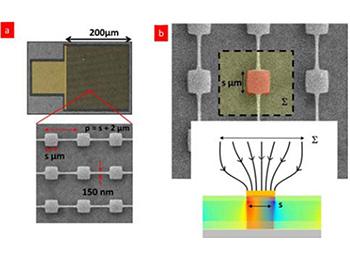
The technology developed by the laboratory aims to provide infrared detectors in double-metal patch geometry. In this type of geometry, the absorbing zone is inserted between two metal layers, which form a microcavity that can also act as an antenna for infrared radiation. This geometry allows an increased responsiveness and a significant reduction of the detector’s dark current. In addition, the technology has a very high operating temperature limit compared to competing solutions, ease of production and high spatial uniformity.
Priority number : EP20140305016 20140107
Infrared detection - Dark current - Temperature BLIP Cryogenic temperature operation - Semiconductor detectors

A lack of anesthesia exposes the patient to awakening during surgery; conversely, an excess of anesthesia increases the risk of postoperative cardiac and neurological complications. A precise optimization of the depth of anesthesia must therefore be sought, in particular for fragile, elderly or co-morbid patients. Our system takes into account the data from the usual monitoring of patients and by integrating them at a high frequency during general anesthesia, allows to deduce the depth of anesthesia. In an alternative model, we propose to add the analysis results of an EEG channel to the model to significantly increase the accuracy of the prediction.
Machine Learning - Predictive algorithm - Individual medicine Depth of anesthesia - Multimodal monitoring - General anesthesia
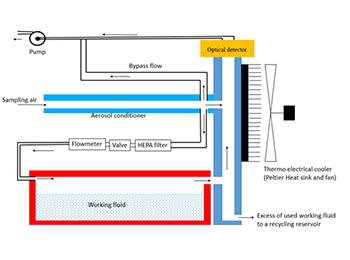
In a market where equipment is becoming more and more miniaturized and the standards for particle sizes in the air are more and more strict, it is necessary to find solutions to detect ever smaller particles. The condensation particle counter according to the invention aims at shortening the path of the aerosol particles to be detected in the counter so as to reach a sub-nanometer detection limit and to shorten the response time of the counter thanks to flow decoupling, optimized particle injection and the presence of an independent reservoir.
Air analysis and particle counting for the following sectors:
Number world application : WO2020074732
Condensation nucleus counter - Particle Counting - Sub-micron particle count detection - Heterogeneous condensation - Detection counting by particle magnification - Nano particle counter
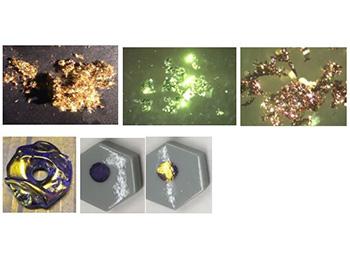
This technology is based on the design of molecular, organic pigments, able to self-organize into non-conducting materials with reflective properties in the visible and near-infrared spectral range. These excitonic organic mirror materials can be exploited for either aesthetic or technical applications. They constitute a green and sustainable alternative to conventional metal-based mirror materials.
Family of three patents: - EP16306849.7 - EP18305893.2 - EP18305891.6
Green and sustainable technology - Lustrous materials - Organic pigments exhibiting special optical effects - Organic mirrors - Aesthetic & technical reflective coatings - Duochrome / dichroic aspects
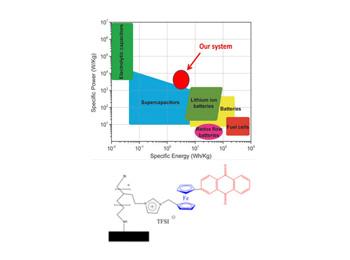
New families of electroactive ionic liquids allowing the development of flexible organic batteries and accpeting power peaks similar to a supercapacitor.
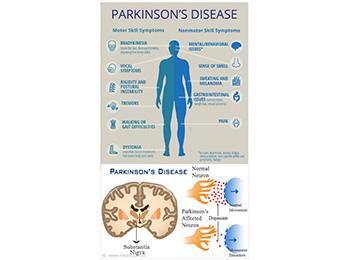
Around 6 million people are suffering from Parkinson disease worldwide. ; In the US, cost is about $23 billion per year. There is no cure, actual treatments are helping relieve the symptoms and maintain in certain level the patient quality of life : L-DOPA/ DOPA agonists ; COMT & MAO inhibitors have lack of efficiency and significant side effects. LRRK2 phosphorylation has an important effect in PD pathogenesis. We propose a new therapeutic peptides which targets PP1/ LRRK2 interaction, allowing the manipulation of PP1 effect on LRRK2.
Parkinson’s Disease
Patent application filed on March 2019.
Parkinson’s Disease - Interfering peptides - PP1 - LRRK2 - Cell penetrating and interfering peptides
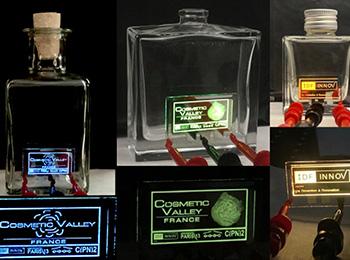
In the field of smart packaging, the ability to display light animations on bottles and vials to make them communicative is an axis of differentiation for players in the field of cosmetics and high-end spirits. OLED displays thanks to their lighting properties, miniaturization capacity and manufacturing flexibility meets this need. However, integrating OLEDs to make these light animations for the requirements of this market is a challenge taken up by this technology.
European patent application EP19306227.0
OLED - Organic optoelectronic display - Luminous animation - Smart Packaging - Signaletic
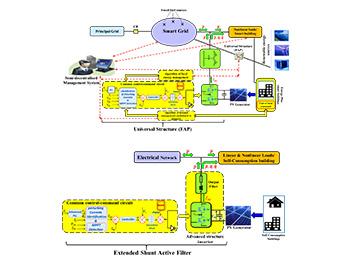
Smart micro-grids represent an alternative to main and interconnected electricity grids, being able to intelligently manage the actions of all stakeholders while securing access to reliable (uninterrupted), ecological and economical energy.
The solution falls within this framework and aims to develop an advanced structure of a parallel active filter connected to a photovoltaic generator to reduce perturbations in real time and optimize energy management and production.
Alali M.A.E., B. Shtessel Y., Barbot JP. ACTIVE ELECTRICAL COMPENSATION DEVICE, Patent, EP 3591784 A1; PCT International WO 2020/007884 A1, January 2020
Renewable energies - Uninterruptible power supply - Active Photovoltaic Filter/Compensator - Smart energy-plus buildings - Smart micro-grids
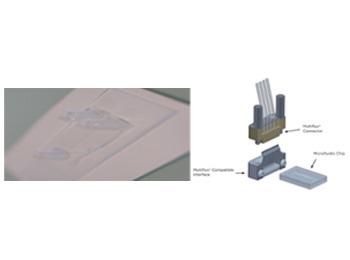
For the last two decades, nanoparticles and recombinant proteins have been introduced in the therapeutic field for various applications. The use of these complex molecules in the therapeutic field requires additional characterization, compared to small molecules, in order to ensure the safety of the product. The separation technique most commonly used for size characterization is size exclusion chromatography (SEC) however it suffers from different types of limitations.
As a consequence, we developed an innovative analytical methods to address the specific characteristics of nanoparticles and therapeutic proteins : Microfluidic asymmetrical flow field-flow fractionation (µAF4)separation module which will be implemented to an integrated size characterization platform.
European Patent Application pending
Analytical chemistry - Asymetrical flow - Field-flow fractionation - Separation méthodes - Lab-on-chip - Microfluidics - Nanoparticles
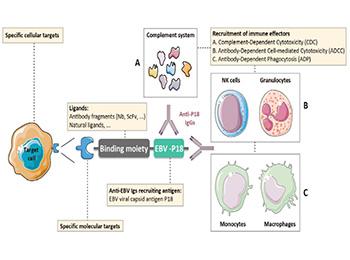
98 % of the human population is chronically infected by EBV. We propose an innovative platform for engineering immunogenic bi-modular fusion proteins comprising a binding moiety and an EBV antigen to redirect an EBV preexisting immune response towards a select cellular target. The aim is to develop efficient therapies triggering immune mechanisms such as Complement-Dependent Cytotoxicity (CDC), Antibody-Dependent Cell-mediated Cytotoxicity (ADCC) and Antibody- Dependent Phagocytosis (ADP) to combat pathogens or treat pathologies such as cancer.
Patent application filed on June 2017
Epstein-Barr Virus - Therapeutic molecular engineering - Antibody fragments - Nanobodies - Immune effectors - Cellular cytotoxicity / complement activation